
When a patient seeks medical care, they place their life and trust entirely in the hands of healthcare professionals. We rely on doctors, nurses, and technicians to adhere to a strict Standard of Care.
Yet, the sobering reality is that medical errors are a major public health crisis. Medical mistakes are often cited as the third leading cause of death in the United States, trailing only heart disease and cancer.
For New York residents, this threat is all too real, with the state leading the nation in total medical malpractice payouts in recent years, signaling a profound issue with patient safety.
At Rosenberg & Gluck, LLP, our experience in medical malpractice litigation has given us firsthand insight into the most frequent and devastating mistakes that lead to injury and death. We recognize that these errors are often systemic failures caused by communication breakdowns, inadequate staffing, and a rush to treatment.
We explore the most common types of medical errors seen in New York and explain the difference between an unavoidable complication and a legal case of medical negligence.
Call (631) 451-7900 to discuss your case with us.
Key Takeaways: Most Common Medical Errors
- Top Public Health Crisis: Medical errors are tragically one of the leading causes of death in the U.S., often stemming from system failures rather than isolated mistakes.
- Diagnostic Errors are Common: The failure to diagnose (or misdiagnosis) of time-sensitive conditions like cancer, heart attack, stroke, and sepsis is a leading source of malpractice claims, as a delay severely limits treatment options.
- Preventable Surgical Errors: Mistakes like operating on the wrong site, leaving a foreign object (URFO), or administering incorrect anesthesia doses are known as "Sentinel Events" and are often clear deviations from the standard of care.
- Medication Mistakes: Errors occur at all stages, from the physician's prescription to the nurse's administration, leading to severe complications like organ failure.
- Legal Standard is Strict: To prove malpractice in New York, you must demonstrate that the provider's care breached the accepted Standard of Care and that this breach directly caused the patient's injury or death.
- Short Statute of Limitations: Medical malpractice claims in New York have strict, sometimes short, deadlines. It is crucial to contact an attorney immediately to preserve your right to file a claim.
| Type of Medical Error | Typical Harm to the Patient | When It Becomes Medical Malpractice |
| Diagnostic Errors (Missed or Delayed Diagnosis) | Disease progression, reduced treatment options, permanent injury, or death | When a reasonably competent physician would have ordered additional tests or made the correct diagnosis under similar circumstances |
| Surgical Errors (Sentinel Events) | Infections, organ damage, additional surgeries, permanent disability | When established safety protocols (such as surgical time-outs or instrument counts) are ignored or improperly performed |
| Anesthesia Errors | Brain damage, cardiac arrest, awareness during surgery, death | When improper dosing, monitoring failures, or airway mismanagement deviate from accepted anesthesia standards |
| Medication Errors | Organ failure, allergic reactions, overdose, irreversible neurological harm | When prescribing, dispensing, or administering medication violates standard medical practices |
| Hospital-Acquired Infections (HAIs) | Sepsis, prolonged hospitalization, permanent complications | When infection control protocols are not followed or infections are not diagnosed and treated promptly |
| Patient Falls | Fractures, head injuries, loss of mobility, death | When facilities fail to assess fall risk or implement required safety measures |
| Birth Injuries | Cerebral palsy, nerve damage, developmental delays | When providers fail to monitor fetal distress or delay medically necessary intervention |
Part I: Diagnostic Errors (Misdiagnosis and Delayed Diagnosis)
Diagnostic errors are consistently one of the most frequent types of medical malpractice claims filed across New York. These errors occur when a healthcare provider either misses a critical condition entirely or mistakes it for something else.
The Failure to Diagnose
The most dangerous diagnostic errors involve conditions that require rapid treatment, such as:
- Cancer: A delayed cancer diagnosis, especially for fast-growing types like lung, breast, or colon cancer, allows the disease to progress from treatable to terminal, severely limiting the patient’s options and reducing survival rates.
- Heart Attack and Stroke: Symptoms are often dismissed as non-cardiac or non-neurological issues, resulting in delayed life-saving intervention. Every minute counts in these events, and a delay can lead to permanent brain damage or death.
- Infections and Sepsis: Failure to recognize and aggressively treat infections, especially in post-operative patients or the elderly, can lead to sepsis, a life-threatening condition where the body attacks its own organs. Sepsis is highly treatable when caught early but rapidly fatal when missed.
The Misdiagnosis
Mistaking one condition for another leads to two forms of harm: the patient’s actual condition worsens without treatment, and they are subjected to unnecessary treatments for the wrong illness.
Example: Diagnosing a spinal cord tumor as simple back pain, leading to months of physical therapy while the tumor grows, ultimately causing permanent paralysis.
Legal Standard: A diagnostic error rises to malpractice when a reasonably competent and prudent physician, under similar circumstances, would have accurately diagnosed the condition or ordered the necessary tests that would have led to the correct diagnosis.
Part II: Surgical and Anesthesia Errors (Sentinel Events)
Surgical errors are particularly egregious because they involve clear deviations from established safety protocols. Many surgical errors fall under the category of "Sentinel Events", patient safety events that result in death, permanent harm, or severe temporary harm.
According to data from The Joint Commission, surgical errors are on the rise, often caused by failures in communication and non-adherence to mandatory safety procedures.
1. Wrong-Site, Wrong-Procedure, or Wrong-Patient Errors
These are often considered the most indefensible errors because they are entirely preventable through the use of "Time Outs", a pre-operative process where the entire surgical team pauses to verify the correct patient, correct procedure, and correct site.
- Wrong Site: Operating on the left knee instead of the right knee.
- Wrong Procedure: Performing a mastectomy instead of a lumpectomy.
- Wrong Patient: Operating on the wrong person entirely (a rare but catastrophic event).
2. Unintended Retention of a Foreign Object (URFO)
This involves leaving surgical instruments, sponges, clamps, or other materials inside the patient’s body after the incision is closed.
- Consequences: These can lead to severe infection, chronic pain, internal organ damage, and almost always require additional, costly surgery to remove the retained object.
3. Anesthesia Errors
Anesthesiologists and nurse anesthetists have a duty to carefully monitor a patient's vital signs throughout a procedure. Errors can be fatal or cause permanent brain injury.
- Examples: Administering an incorrect dose of anesthesia (too much can cause brain damage and too little can cause the patient to wake up during surgery), or failing to properly manage a patient's oxygen level during intubation.
Part III: Medication Errors
Medication errors are alarmingly common, harming millions of people each year. These mistakes can occur at virtually every stage of the patient care process, from the doctor's prescription pad to the nurse's hand.
1. Prescribing Errors (Physician/Pharmacist)
- Wrong Drug or Wrong Dose: A physician orders the wrong medication for a given condition, or orders a dose that is dangerously high (overdose) or too low (ineffective treatment). Prescribing errors are the most common error healthcare professionals make when working with a patient.
- Drug Interaction Failure: Failing to check a patient's existing medication list for potentially lethal or harmful interactions with a new prescription.
- Allergy Failure: Prescribing a medication the patient is known to be allergic to.
2. Administration Errors (Nurse/Hospital Staff)
- Wrong Patient: Giving a patient medication meant for another person.
- Wrong Route: Administering a medication intravenously when it was meant to be taken orally.
- Wrong Time: Administering medication late, which is critical for time-sensitive drugs like antibiotics or blood thinners.
The consequences of a medication error are often severe, ranging from allergic shock and organ failure to irreversible brain damage or death.
Part IV: Hospital Acquired Infections & Patient Safety
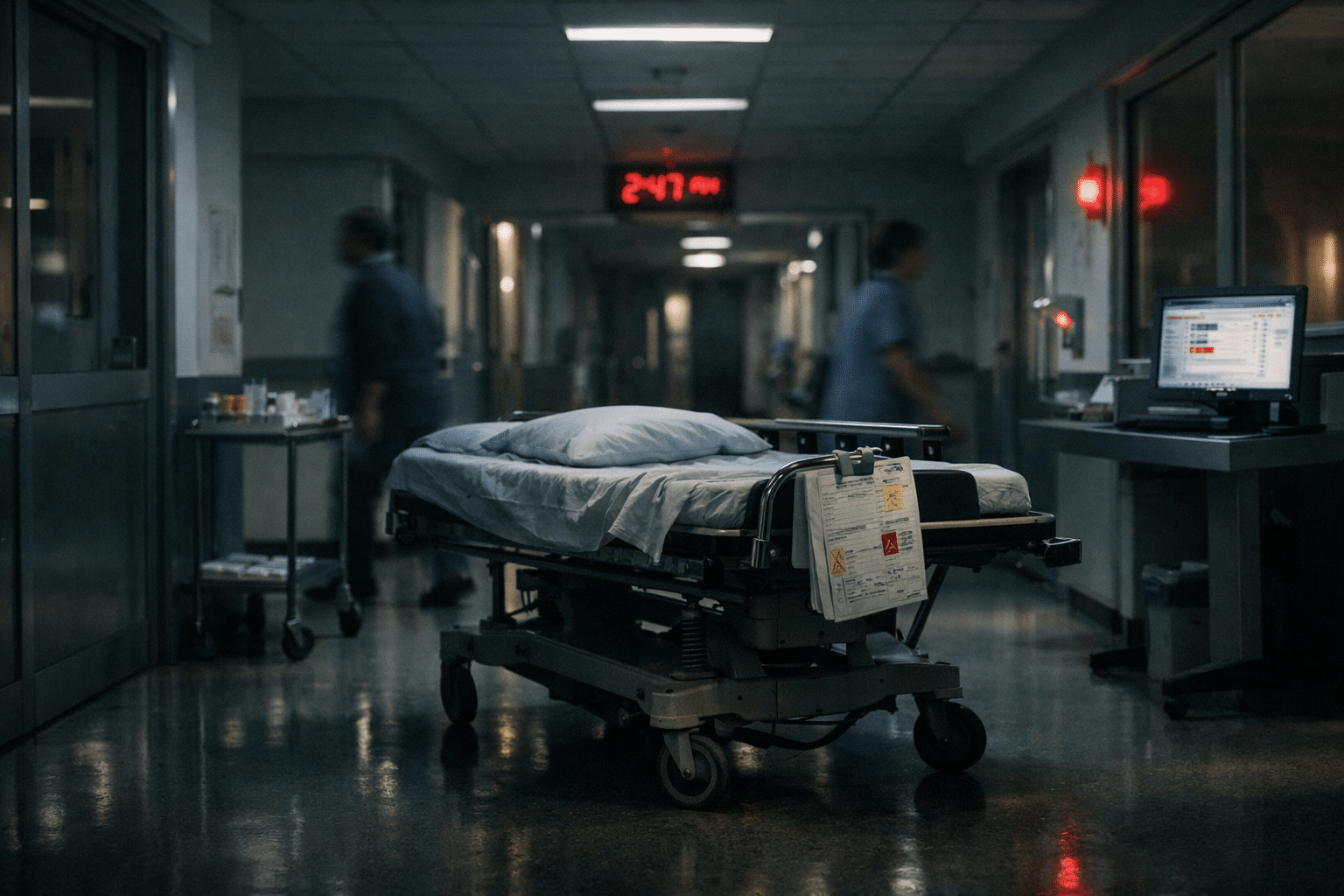
Mistakes often stem from systemic failures within the hospital or care facility itself. These errors frequently relate to poor internal procedures and a failure to maintain a safe environment.
1. Hospital-Acquired Infections (HAIs)
Infections acquired during a hospital stay are often preventable and are a major source of malpractice.
- Causes: Poor hygiene, unsterile instruments, or inadequate sanitation of patient rooms.
- Common Types: MRSA (Methicillin-resistant Staphylococcus aureus), C. difficile, and central-line associated bloodstream infections (CLABSIs).
- Legal Focus: A case arises when staff fail to follow established infection control protocols or, critically, when staff fail to diagnose and treat a post-operative infection in a timely manner, allowing it to progress.
2. Patient Falls
Patient falls remain one of the most frequent types of reported Sentinel Events. While many patients have fall risks, hospitals have a duty to implement protocols to prevent them. Falls often account for almost half of all serious patient safety incidents reviewed by safety organizations.
Negligence: A fall may constitute negligence if a hospital or nursing home fails to:
- Conduct a proper fall risk assessment upon admission.
- Monitor high-risk patients (e.g., leaving a confused or sedated patient unattended).
- Ensure beds are in the lowest position or provide necessary bed alarms.
- Keep floors clear of slipping hazards.
3. Communication Failures
The root cause of a staggering percentage of medical errors is poor communication, especially during shift changes.
- The Breakdown: Critical information, such as a patient's change in condition, an unacted-upon test result, or an unaddressed allergy, is not fully conveyed from the outgoing nurse/doctor to the incoming team. This gap in communication leads to delayed diagnosis or treatment.
Part V: Birth Injuries
Errors that occur during labor and delivery can cause catastrophic, lifelong disabilities for a child and severe harm to the mother.
1. Failure to Monitor Fetal Distress
The most common error is the failure of the medical team to recognize signs of fetal distress (indicated by changes in the fetal heart rate monitor).
- Consequence: When fetal distress is ignored or acted upon too slowly, the baby suffers hypoxia (oxygen deprivation). Prolonged oxygen deprivation can lead to Cerebral Palsy, developmental delays, and permanent brain damage.
2. Delayed Cesarean Section (C-Section)
If the labor stalls or the baby shows signs of distress, a competent doctor must perform a timely C-section. A delay in making the decision or executing the surgery can lead to devastating and permanent injury.
3. Physical Trauma During Delivery
Applying excessive force with vacuum extractors or forceps can cause nerve damage, such as Erb’s Palsy, a type of brachial plexus injury that causes weakness or paralysis in the baby's arm.
Why Choose Us Your Medical Malpractice Claim?
Medical malpractice cases are among the most challenging and resource-intensive areas of personal injury law. They involve confronting powerful institutions who are dedicated to defending their practices and protecting their reputations. Success requires a legal team that is not only diligent but also skilled in medical law.
Here is why patients across Long Island and New York choose us to fight their medical negligence claims:
1. Access to Medical Experts
In New York, you cannot even file a medical malpractice lawsuit without a Certificate of Merit from a qualified medical expert who states that the defendant deviated from the standard of care. We maintain a network of top-tier physicians across all disciplines who are willing to review cases and provide objective, compelling testimony in court.
2. Resources to Fight Institutional Defendants
Hospital systems and their malpractice insurers have unlimited resources to hire defense counsel and delay litigation. We have the financial and legal resources necessary to stand toe-to-toe with these giants, handling a great deal of discovery, depositions, and trial preparation without compromising the quality of your representation.
3. Deep Understanding of Systemic Failures
Our experience goes beyond identifying a single doctor's mistake. We investigate the underlying causes of medical errors, such as:
- Systemic Staffing Issues: Proving a hospital was negligently understaffed, leading to delayed patient monitoring.
- Protocol Breaches: Demonstrating failure to adhere to mandatory safety protocols, like surgical "Time Outs" or infection control.
- Communication Breakdowns: Using internal charts and witness testimony to prove that critical patient information was lost during shift changes.
4. Experience in Catastrophic Damages
Medical errors often result in the most catastrophic, lifelong injuries. We don't settle for short-term fixes. We work with life care planners and forensic economists to calculate the true value of your damages, ensuring the compensation covers decades of specialized medical care, adaptive equipment, and loss of earning capacity.
5. Contingency Fee Basis
We understand that you are focused on recovery and may be dealing with extreme financial hardship. We accept medical malpractice cases on a contingency fee basis.
- You pay nothing upfront for our legal services or case expenses.
- We only get paid if we win your case through settlement or a verdict.
If you suspect that a preventable medical error has caused you or a loved one harm, do not hesitate. The Statute of Limitations for medical malpractice in New York is often shorter than other personal injury cases. Contact us to protect your rights.
When Does an Error Become Medical Malpractice?
Not every bad outcome is malpractice. To prove medical malpractice in a New York court, your attorney must establish four legal elements:
- Duty: The healthcare provider owed a legal duty of care to the patient (i.e., a doctor-patient relationship existed).
- Breach (Negligence): The provider breached the duty of care by acting or failing to act in a way that deviated from the accepted Standard of Care. (Example: A doctor failed to order a chest X-ray for persistent coughing, which is the accepted standard).
- Causation: The provider’s breach of the Standard of Care directly caused the patient’s injury or death. (Example: The failure to order the X-ray allowed the lung cancer to progress from Stage I to Stage III).
- Damages: The patient suffered actual, measurable harm (financial losses, pain and suffering).
For the victim of a medical error, the financial and emotional toll is immense, covering corrective surgeries, lost wages, and years of physical rehabilitation. At Rosenberg & Gluck, LLP, we stand ready to undertake the rigorous investigation required to prove all four elements of medical negligence and fight for the necessary financial compensation.
If you or a loved one has suffered serious harm due to a suspected medical error in a New York healthcare facility, you need legal advocates who understand medicine and the strict requirements of malpractice law.
Contact us today at (631) 451-7900 a free, confidential consultation.