After a serious car crash on Long Island, one of the most pressing questions is who can be held responsible for the harm you have suffered. The answer in New York is often more complex than people realize; in many cases, both the driver who caused the collision and the owner of the vehicle can be held liable. This is due to a specific state law that creates a powerful connection between the person behind the wheel and the person on the title.
Determining who is legally and financially responsible in an accident is critical when pursuing compensation to cover medical bills, lost income, and other significant damages. The distinction between the driver and the owner can open up different sources of insurance coverage, which is especially important when injuries are severe.
Call us today at (631) 451-7900 for your free consultation.
Key Takeaways about Who is Liable in a New York Car Accident
- New York State law can hold a vehicle’s owner financially responsible for an accident caused by another person driving their car.
- This legal concept is known as vicarious liability and is outlined in New York Vehicle and Traffic Law § 388.
- The owner’s liability generally depends on whether the driver had express or implied permission to be using the vehicle at the time of the crash.
- In cases involving significant harm, legal action may be pursued against both the driver's and the owner's insurance policies to secure adequate compensation.
- A federal law called the Graves Amendment creates a specific exception, often shielding commercial rental car companies from this type of liability.
Understanding New York's Vicarious Liability Law for Vehicle Owners

In most states, only the at-fault driver is held liable for a car accident. New York, however, takes a different approach designed to protect those injured on its roads. This approach is codified in New York Vehicle and Traffic Law § 388. This statute establishes a legal rule called "vicarious liability."
In simple terms, vicarious liability means that one party can be held responsible for the negligent actions of another. In the context of a car crash, VTL § 388 makes the registered owner of a vehicle legally liable for injuries or damages caused by any person operating that vehicle with their permission.
This means if you are injured by a negligent driver, you may have a claim against not just the person who was driving, but also the person or company who owns the car. For this to apply, two conditions must generally be met:
- The driver’s negligence caused the accident.
- The driver had the owner’s permission to be operating the vehicle.
This law recognizes that vehicle owners have a responsibility to ensure their cars are used safely. It also provides a vital safety net for accident victims, ensuring there is a clear path to financial recovery, even if the driver has minimal insurance coverage or personal assets.
The "Permissive Use" Rule: A Key Factor in Determining Who is Liable
The concept of "permission" is the foundation of an owner's liability in a New York car accident. Without it, VTL § 388 does not apply. However, permission isn't always as straightforward as a verbal "yes." It can be either express or implied, which often becomes a point of contention with insurance companies.
What Counts as Permission?
Understanding the two types of permission is crucial for determining if the vehicle’s owner can be held accountable.
- Express Permission: This is direct and clear-cut. It occurs when a car owner explicitly gives someone leave to use their vehicle. For example, a parent handing their teenager the keys and telling them they can drive to a friend's house is a form of express permission.
- Implied Permission: This form is more common and often more complex. It arises from the circumstances, relationship, and history between the owner and the driver. An owner’s actions, or lack thereof, can create implied permission. For instance, a family member who lives in the same home, has their own set of keys, and regularly uses the car without asking each time likely has implied permission.
Courts in New York presume that a person driving someone else’s car has the owner’s permission. This creates a strong starting point for an injury claim.
The Insurance Company's Common Defense: "No Permission"
Because the owner's insurance policy may provide a significant source of compensation, it is common for insurance carriers to fight back by arguing the driver did not have permission. They might claim the vehicle was stolen or that the driver took the car against the owner's specific instructions. For example, an owner might claim they told their friend they could only drive to the grocery store, but the accident happened hours later, miles away.
Challenging this defense requires a thorough investigation to establish implied consent. Evidence of a history of the driver using the car, the driver having access to the keys, or a delay in the owner reporting the vehicle as stolen can all be used to demonstrate that permission existed, holding the owner and their insurer accountable.
How Multiple Insurance Policies Can Impact Your Recovery
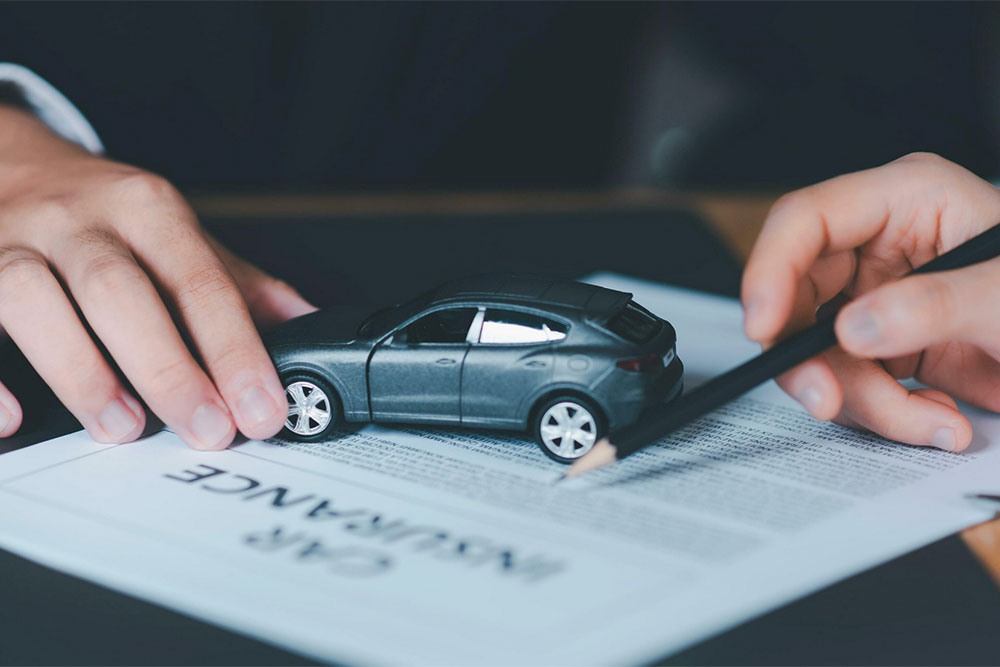
When an accident leaves you with life-altering injuries, the costs can quickly add up. Medical treatments, rehabilitation, lost wages, and long-term care can easily exceed the limits of a single, minimum-coverage insurance policy. This is where New York’s vicarious liability law becomes particularly beneficial for the injured person.
Because both the driver and the owner can be held liable, it may be possible to access multiple insurance policies to cover the full extent of your damages. This strategy is essential for ensuring you have the financial resources needed for your recovery.
The Strategy of Pursuing All Available Coverage
When the driver and owner are two different people, each may have a separate auto insurance policy. An injured person can often file a claim against both. The process typically works like this:
- A claim is first made against the at-fault driver’s insurance policy.
- If the damages exceed the limits of the driver's policy, a claim can then be made against the vehicle owner's insurance policy under the principle of vicarious liability.
For example, imagine a driver with a $25,000 liability policy causes a crash while driving a friend's car. The friend, who owns the car, has a separate policy with a $100,000 liability limit. If your injuries result in $120,000 in damages, it may be possible to recover the first $25,000 from the driver's policy and then pursue the remaining $95,000 from the owner's policy. This approach helps bridge the financial gap and gives you a better chance at a full recovery.
Common Scenarios: Who is Liable in These New York Car Accidents?
The question of driver versus owner liability appears in many different situations, from family cars to large commercial trucks seen every day on the Sunrise Highway.
Accidents Involving Teen Drivers and Family Cars
When a teenager is learning to drive, they are almost always using a vehicle owned by a parent. If that teen driver makes a mistake and causes an accident, the parent who owns the car can be held vicariously liable for the resulting harm. This is a clear case of permissive use. Because parents typically carry higher insurance limits to protect their family’s assets, their policy often provides a more substantial source of compensation than a policy held by a young driver alone.
Crashes with Company Cars or Commercial Trucks
Vicarious liability is a central issue in accidents involving commercial vehicles. When an employee is driving a company-owned truck, van, or car as part of their job, their employer is considered the owner. If that employee drives negligently and causes a crash, the company is liable under VTL § 388.
- This applies to delivery vans, construction vehicles, corporate cars, and big-rigs traveling on the Long Island Expressway.
- Commercial auto insurance policies carry much higher liability limits than personal policies—often $1 million or more.
- Holding the company accountable is essential in truck accident cases, where injuries are frequently catastrophic and costs are immense.
This legal principle ensures that businesses, not just their individual employees, are held responsible for the safety of the vehicles they put on the road.
The Special Case of Rental Cars and the Graves Amendment
Many people assume that if they are hit by a driver in a rental car, the rental company (like Hertz, Enterprise, or Avis) is automatically liable. However, a federal law changes the rules for these specific cases. The Graves Amendment (49 U.S.C. § 30106) generally protects rental car companies from vicarious liability.
As long as the company was not negligent in its own right—for example, by renting a car to an obviously intoxicated person or knowingly providing a vehicle with faulty brakes—it cannot be held responsible for a renter's negligent driving. The liability in these cases typically falls back on the at-fault driver’s personal auto insurance policy or any supplemental insurance they purchased with the rental.
What if the Owner Claims They Didn’t Know the Driver Was Unsafe?
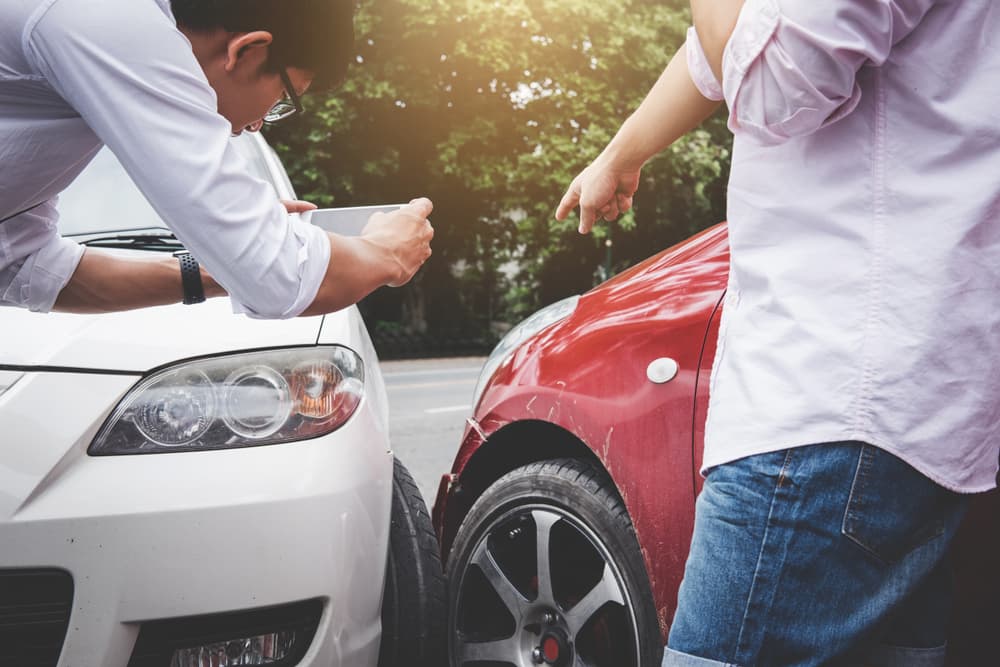
A common question is whether an owner's liability depends on their knowing the driver was a risk. For instance, what if the owner let a friend borrow their car, unaware that the friend had a history of reckless driving?
Under New York's vicarious liability law, the owner's knowledge of the driver’s history is generally irrelevant. The law is a form of strict liability, meaning that if permission was granted, the owner is responsible for the driver's negligence, period. The goal is to provide a remedy for the injured party, not to punish the owner for poor judgment.
This is different from a separate type of claim called "negligent entrustment." In a negligent entrustment case, an owner is held directly liable for their own carelessness in knowingly providing a vehicle to someone who was clearly unfit to drive. Proving this requires showing the owner knew or should have known the driver was incompetent, unlicensed, or intoxicated.
New York Car Accident Liability FAQs
Here are answers to some common questions we hear about car accident liability in New York.
What happens if the person driving my car gets into an accident and they have no insurance?
If you give someone permission to drive your car and they cause an accident, your auto insurance policy is typically considered the primary source of coverage for damages. This is true even if the driver has no insurance of their own. Your policy follows your car.
Does New York's comparative negligence rule affect who is liable?
New York follows a pure comparative negligence rule. This means an injured person's compensation can be reduced by their own percentage of fault. However, it doesn't change the underlying rules of vicarious liability. If an owner is vicariously liable for a driver who was 80% at fault, the owner is also responsible for 80% of the damages.
Am I liable if my car is stolen and then involved in a crash?
Generally, no. A car thief is, by definition, operating the vehicle without your permission. Since permissive use is a requirement for vicarious liability under VTL § 388, an owner is typically not responsible for accidents caused by someone who has stolen their car.
What is the statute of limitations for filing a car accident lawsuit in New York?
For most personal injury cases arising from a car accident, you have three years from the date of the accident to file a lawsuit. However, there are important exceptions. If your claim is against a municipality (like a town, county, or government agency), you must typically file a notice of claim within 90 days. The statute of limitations for a wrongful death claim is always two years from the date of death.
What if the driver and the owner are the same person?
If the driver who caused the accident also owns the car, the case is more straightforward. They are directly liable for their own negligence, and their auto insurance policy would be the primary source of compensation. The concept of vicarious liability would not apply.
Contact a Long Island Car Accident Lawyer Today
Determining who is liable in a New York car accident—the driver, the owner, or both—requires a deep understanding of state and federal laws. When you are focused on healing from serious injuries, untangling complex insurance issues is an added burden you should not have to carry. An experienced car accident lawyer and legal team can investigate the crash, identify all responsible parties, and pursue every available source of compensation on your behalf.
At Rosenberg & Gluck, L.L.P., our practice is dedicated to helping personal injury clients on Long Island. We understand the challenges you face and are prepared to advocate for the financial resources you need to move forward. For a free, no-obligation consultation to discuss your case, contact us today. We can assist clients in both English and Spanish.
Call us today at (631) 451-7900 for your free consultation.