The short answer is yes, in many cases, a dog owner’s homeowners’ or renters’ insurance policy does provide coverage for injuries caused by their dog. However, pursuing fair compensation in these cases involves understanding New York’s specific laws and the details of how these insurance policies work. Knowing your rights is critical to recovery and holding the responsible party accountable for the harm you have suffered.
Call us today at (631) 451-7900 for your free consultation.
Key Takeaways about Does Homeowners’ Insurance Cover Dog Bites on Long Island
- A dog owner’s homeowners or renters insurance policy is often the primary source of compensation for a dog bite victim’s injuries and losses.
- New York State law now prohibits insurance companies from denying or canceling a policy based solely on the breed of a dog.
- Another change in New York Law now permits someone injured to recover if the owner was negligent. Additionally, someone injured can still recover under a theory of strict liability if it can be shown that the dog’s owner knew or should have known about the dog’s “vicious propensities.”
- Filing a claim is typically a process involving the dog owner’s insurance company, not a direct financial demand on a friend or neighbor.
- Compensation can cover economic damages like medical bills and lost income, as well as non-economic damages for pain and suffering.
- Strict time limits, known as the statute of limitations, apply to personal injury claims in New York, making it important to understand your legal options promptly.
How Homeowners Insurance Works for Dog Bite Claims in New York
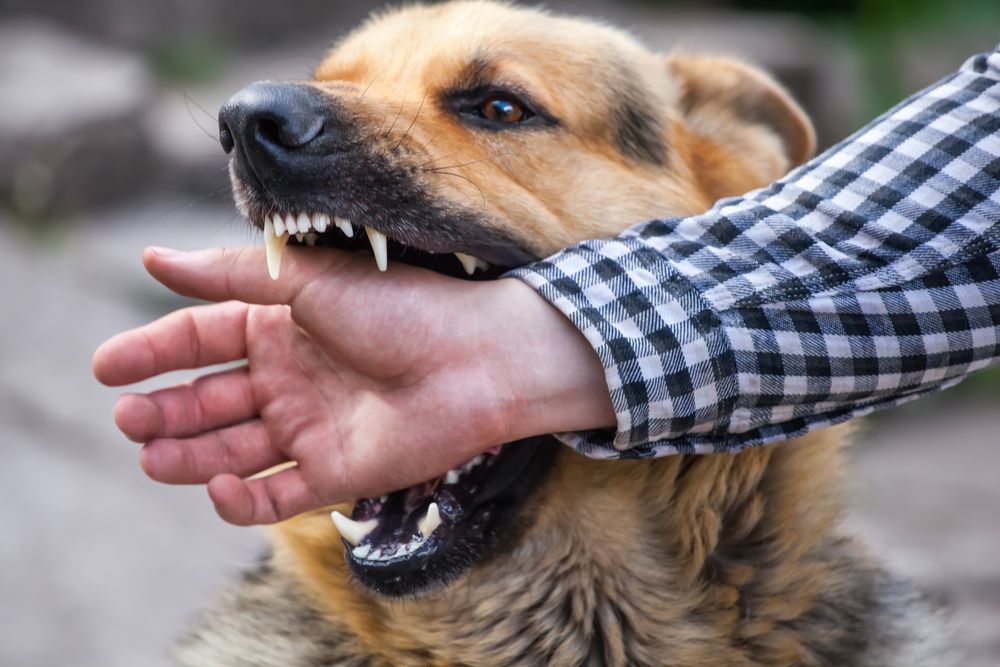
When a dog bite occurs, the financial responsibility often falls to the dog owner. Homeowners and renters insurance policies typically include a section for personal liability coverage. This coverage is designed to protect the policyholder if they are found legally responsible for causing injury to another person or damage to their property.
Liability coverage is what applies to most dog bite incidents. If you are bitten by a dog, you can file a claim against the owner's insurance policy to cover your damages. These damages can include:
- Medical Expenses: This covers everything from the initial emergency room visit to ongoing care, such as stitches, surgery, physical therapy, and medication.
- Lost Wages: If your injuries prevent you from working, you may be able to recover the income you lost during your recovery period.
- Pain and Suffering: This accounts for the physical pain, emotional distress, and trauma resulting from the attack.
It is important to understand that this coverage has limits. Every policy has a maximum amount it will pay for a liability claim, which can typically range from $100,000 to $500,000 or more. If the costs of an injury exceed the policy limit, the dog owner could be personally responsible for the remaining amount.
A Major Change in New York Law: Breed Restrictions Are No Longer Allowed
For years, many dog owners on Long Island and across New York faced a significant hurdle: insurance companies could refuse to provide a homeowners policy or cancel an existing one simply because they owned a specific breed of dog, such as a Pit Bull, Rottweiler, or Doberman. This often left responsible pet owners without coverage and unfairly profiled millions of loving family pets.
Thankfully, this has changed. A groundbreaking New York law now prevents insurance companies from engaging in this practice. According to New York Insurance Law § 3421, an insurer cannot refuse to issue or renew, cancel, or charge a higher premium for a homeowners policy based solely on the breed of the dog owned by the insured.
This law is a major victory for both dog owners and bite victims. Here’s what it means:
- Coverage Cannot Be Denied by Breed: An insurance company cannot look at a policy application, see the word "German Shepherd," and automatically deny coverage.
- Existing Policies Are Protected: An insurer cannot cancel your policy mid-term or refuse to renew it just because they discover you adopted a dog of a certain breed.
- Focus on Individual History: The law allows insurers to take action based on a specific dog being declared dangerous after a hearing, but it shifts the focus from the dog’s breed to its individual behavior and history.
This change ensures that coverage decisions are based on fairness and facts rather than outdated stereotypes. It also means that if you are bitten, the owner’s insurance company cannot simply dismiss your claim because of the dog’s breed.
What Do You Need to Prove in a Long Island Dog Bite Case?
Unlike some states with "strict liability" dog bite laws, New York does not automatically hold an owner responsible just because their dog bit someone. To have a successful claim for damages beyond medical costs, you generally need to prove either that the owner was negligent or that the owner had knowledge of the dog’s prior “vicious propensities.”
"Vicious propensities" is a legal term that doesn't necessarily mean the dog is mean or aggressive all the time. It simply refers to a dog's tendency to act in a way that could endanger the safety of people or property. It’s about showing the owner knew, or should have known, that their dog was capable of causing harm.
Evidence of a dog's vicious propensities can include:
- A Previous Bite: If the dog has bitten or snapped at someone before, this is strong evidence.
- Aggressive Behavior: A history of the dog growling, snarling, baring its teeth, or lunging at people, whether in its yard in Nassau County or at a dog park in Suffolk County.
- Fighting with Other Animals: While not as direct, a history of attacking other dogs or animals can sometimes be used to show a generally aggressive nature.
- Specific Training: If the dog was trained as a guard dog or to attack, this can be used to establish the owner's knowledge.
Proving the owner’s negligence and/or knowledge is a critical part of a successful Long Island dog bite lawyer's case. This often involves gathering evidence from neighbors, animal control records, or other witnesses who may have observed the dog's prior behavior.
Concerns About Filing a Claim Against a Friend or Neighbor
One of the most difficult aspects of a dog bite incident is when the dog belongs to a friend, family member, or neighbor. The thought of taking legal action against someone you know can be very uncomfortable. Many people worry about ruining a relationship or causing financial hardship for the other person.
It’s essential to understand that a personal injury claim is almost always directed at the insurance company, not the individual’s personal finances. That is precisely why people carry homeowners and renters insurance—to provide financial protection in case of an accident.
- The insurance company is responsible for paying for your medical bills, lost income, and other damages, up to the policy limits.
- The dog owner pays their insurance premiums for this exact type of situation.
- Your claim holds the insurance company to its contractual obligation; it does not take money from your neighbor’s bank account.
Filing a claim allows you to get the financial resources you need to recover without placing a direct financial burden on the dog owner. It is about making you whole again through the proper channels that were set up for this purpose.
Types of Compensation Available After a Dog Bite

The physical and emotional toll of a dog attack can be significant. The compensation available in a personal injury claim is meant to address the full scope of these harms. In New York, damages are generally divided into two categories.
Economic Damages
These are the tangible, out-of-pocket financial losses you have incurred because of the injury. They are straightforward and can be calculated by adding up bills and receipts.
- Past and future medical treatment
- Lost wages and reduced future earning capacity
- Costs of physical or occupational therapy
- Psychological counseling for trauma or PTSD
Non-Economic Damages
These damages are meant to compensate you for the intangible, personal losses that don't have a specific price tag but are just as real.
- Physical pain and suffering
- Emotional distress and mental anguish
- Permanent scarring or disfigurement
- Loss of enjoyment of life
Because New York follows a pure comparative negligence rule, any compensation award may be reduced by the percentage of fault, if any, assigned to the injured person. For example, if you were found to be 10% at fault for provoking the dog, your total compensation would be reduced by 10%.
What if the Dog Owner Is a Renter?
If the dog owner doesn't own their home, they might not have homeowners’ insurance, but they may have renters’ insurance. Renters insurance policies also typically include liability coverage that works in the same way as a homeowners’ policy for incidents like dog bites.
If the renter has no insurance, the situation can become more complex. In some limited circumstances, the property owner or landlord could potentially be held responsible. This might happen if:
- The landlord knew the dog was dangerous but allowed it to remain on the property.
- The landlord was responsible for maintaining a common area, like a hallway or courtyard, where the bite occurred, and failed to take reasonable steps to ensure safety.
These cases are challenging and depend heavily on the specific facts. Investigating all potential sources of recovery is a key step in any dog bite claim.
The New York Statute of Limitations for Dog Bite Claims
It is crucial to be aware of the legal deadlines for filing a personal injury lawsuit in New York. This deadline is called the statute of limitations. If you miss this deadline, you may lose your right to seek compensation forever.
- General Personal Injury Claims: In most dog bite cases, you have three years from the date of the incident to file a lawsuit.
- Claims Against a Municipality: There is a very important exception. If your claim is against a government entity (for example, if you were bitten by a police dog or a dog from a town-run animal shelter), you must file a notice of claim within 90 days of the incident.
While three years may seem like a long time, building a strong case takes time. Evidence needs to be collected, witnesses need to be interviewed, and medical records must be obtained. Contacting a legal professional early can help ensure that all deadlines are met and that your rights are protected.
How a Personal Injury Attorney Can Help

A dog bite can leave you feeling shaken and uncertain about what to do next. A personal injury attorney can manage the legal process for you so you can focus on your recovery. A lawyer can help by:
- Investigating the incident to gather evidence of the dog’s history.
- Identifying all available insurance coverage.
- Handling all communications with the dog owner's insurance company.
- Calculating the full value of your damages, including future medical needs and pain and suffering.
- Working to secure a fair settlement or, if necessary, representing you in court.
Having a dedicated advocate on your side can make a significant difference in the outcome of your case.
Homeowners’ Insurance and Dog Bites on Long Island FAQs
Here are some answers to other common questions our clients ask about dog bite claims and insurance coverage.
What happens if the dog bite occurred away from the owner’s property?
In most cases, homeowners’ or renters’ insurance liability coverage is not limited to the physical property. It typically covers the policyholder's actions (and those of their pets) regardless of where the incident happened, whether at a public park like Heckscher State Park or on a neighborhood street.
Are the rules different if a child is bitten by a dog?
The legal principles are the same, but the impact on a child can be much more severe. Children are more likely to suffer serious facial and neck injuries. The emotional trauma can also be long-lasting. As a result, compensation in cases involving children can be substantial to account for potential future medical needs, therapy, and the significant emotional harm.
What if I was trespassing when the dog bit me?
Your legal rights may be limited if you were unlawfully on someone's property when the bite occurred. However, the circumstances matter. For example, a young child who wanders into a neighbor's yard without understanding property lines may be viewed differently than an adult who intentionally trespasses. It is best to discuss the specific details of your situation with an attorney.
What should I do if the dog owner’s insurance adjuster contacts me?
You should be very cautious and avoid speaking directly with an insurance adjuster. Their job is to protect their company's financial interests, which often means minimizing the value of your claim. It is advisable to avoid giving a recorded statement or signing any documents until you have had the opportunity to consult with a lawyer who can advocate for your best interests.
Does my own health insurance cover my initial medical bills?
Yes, you should use your own health insurance to pay for your immediate medical treatment. Your health insurer may then seek reimbursement from the dog owner's insurance company later on through a process called subrogation. This ensures you get the care you need right away without waiting for a personal injury claim to be resolved.
Contact Our Long Island Dog Bite Attorneys
If you or a loved one has been injured by a dog, you don’t have to face the recovery process by yourself. At Rosenberg & Gluck, LLP, our team is dedicated to helping personal injury victims on Long Island. We understand the physical, emotional, and financial stress a dog bite can cause. We are proud to serve clients in both English and Spanish.
Contact us today for a free, no-obligation consultation to discuss your case. Let us help you understand your legal options and pursue the compensation you deserve.
Call us today at (631) 451-7900 for your free consultation.