When a family member lives in a nursing home, noticing changes in their health may signal something serious. Signs of sepsis and bed sores in nursing homes often indicate that a resident is not receiving adequate care. Bed sores, also called pressure ulcers, develop when staff fail to reposition immobile patients regularly. Left untreated, these wounds may become infected and lead to sepsis, a life-threatening condition that kills tens of thousands of nursing home residents each year.
The Centers for Disease Control and Prevention (CDC) estimates that nursing home residents are seven times more likely to develop severe sepsis than people living independently. Recognizing warning signs of bed sores in their early stages may help save your loved one's life. A Long Island nursing home abuse lawyer may help you hold the negligent facility accountable when preventable conditions lead to bed sores or other serious harm.
For A Free Legal Consultation, Call
Key Facts: Bed Sores and Sepsis in Long Island Nursing Homes
- Bed sores develop in stages, and early detection may prevent life-threatening complications like sepsis.
- Sepsis symptoms in elderly residents often differ from younger patients and may include confusion, rapid breathing, or low body temperature rather than fever.
- New York law requires nursing homes to provide care that prevents avoidable pressure ulcers under federal regulations.
- Families may report suspected neglect to the New York State Department of Health and local authorities.
- An attorney may help families pursue compensation when nursing home negligence causes serious injuries or death.
What Are Bed Sores and Why Do They Develop?

Bed sores, medically known as pressure ulcers or decubitus ulcers, are injuries to the skin and underlying tissue caused by prolonged pressure. These wounds typically form over bony areas of the body, such as the tailbone, hips, heels, and shoulder blades. Nursing home residents who spend extended periods in bed or wheelchairs face the highest risk.
Healthy nursing homes prevent bed sores through regular repositioning, proper nutrition, clean and dry bedding, and specialized mattresses or cushions. When these basic protocols break down due to understaffing, inadequate training, or negligence, residents suffer.
The progression of bed sores follows four distinct stages:
- Stage 1: The skin appears red or discolored but remains intact. The area may feel warm, firm, or painful to the touch. At this stage, the damage is reversible with proper intervention.
- Stage 2: The outer layer of skin breaks open, creating a shallow wound that resembles a blister or abrasion. Pain increases significantly.
- Stage 3: The wound extends into the fatty tissue beneath the skin, creating a crater-like appearance. Infection risk rises substantially.
- Stage 4: The most severe stage involves damage extending to muscle, bone, or supporting structures. These wounds require intensive medical treatment and may never fully heal.
The Centers for Medicare and Medicaid Services (CMS) considers Stage 3 and Stage 4 pressure ulcers to be "never events," meaning serious medical errors that should not occur with proper care. When a resident develops advanced bed sores, it often points to systemic failures in the facility's care protocols.
Recognizing the Warning Signs of Bed Sores
Family members visiting loved ones in nursing homes should know what to look for during each visit. Recognizing signs of bed sores is recognizing signs of potential abuse and neglect. Bed sores often develop in areas hidden by clothing or bedding, so they may go unnoticed without careful observation.
Physical warning signs include:
- Red, purple, or darkened patches of skin that do not fade when pressed
- Unusual changes in skin texture, including areas that feel unusually warm, cool, firm, or soft
- Swelling or tenderness in areas that bear weight during sitting or lying
- Open wounds, blisters, or areas where skin appears to have worn away
- Drainage, pus, or foul odor from any wound
- Skin that appears shiny, dry, or cracked over pressure points
Beyond physical signs, behavioral changes may also indicate a resident is experiencing pain from pressure ulcers. Watch for increased agitation, withdrawal from activities, reluctance to be moved or repositioned, or complaints about discomfort in specific body areas.
If you notice any of these signs, request to speak with the nursing staff immediately and ask to see your loved one's care plan and turning schedule documentation.
Sepsis in Nursing Homes: When Infections Turn Deadly
Sepsis occurs when the body's response to an infection spirals out of control, damaging tissues and organs throughout the body. What begins as a localized infection, such as an infected bed sore, urinary tract infection, or pneumonia, may trigger a cascade of inflammation that becomes life-threatening within hours.
The National Institutes of Health reports that nursing home residents with severe sepsis face mortality rates of 37%, more than double the rate for community-dwelling adults. Older adults are particularly vulnerable because their immune systems may not mount the same obvious responses seen in younger patients.
Sepsis progresses through three increasingly dangerous stages:
Early sepsis
The initial stage involves infection combined with systemic inflammation. Warning signs include fever above 101°F or temperature below 96.8°F, heart rate above 90 beats per minute, and respiratory rate above 20 breaths per minute. In elderly patients, confusion or sudden changes in mental status may be the first and only obvious symptom.
Severe sepsis
As the condition worsens, organ function begins to decline. Symptoms include significantly decreased urine output, abrupt changes in mental status, difficulty breathing, abnormal heart function, and abdominal pain. Immediate medical intervention is required.
Septic shock
The most dangerous stage occurs when blood pressure drops to dangerously low levels despite fluid resuscitation. Septic shock carries extremely high mortality rates and requires intensive care treatment.
Recognizing Sepsis Symptoms in Nursing Home Residents
Identifying sepsis in elderly nursing home residents presents unique challenges. Older adults often display different symptoms than younger patients, and chronic conditions may mask early warning signs. Families should watch for subtle changes that staff members might overlook.
Key warning signs of sepsis in nursing home residents include:
- Sudden confusion, disorientation, or changes in mental status that differ from baseline
- Rapid breathing or difficulty catching breath
- Fever, chills, or feeling unusually cold, though many elderly patients with sepsis never develop a fever
- Extreme fatigue or weakness beyond normal levels
- Rapid or weak pulse
- Skin that appears mottled, pale, or develops a rash of tiny pinprick spots that do not fade when pressed
- Decreased urine output or dark-colored urine
- Slurred speech or difficulty communicating
If your loved one displays any combination of these symptoms, particularly alongside a known infection or wound, seek emergency medical attention immediately. Do not wait for nursing home staff to determine whether symptoms warrant concern.
Major Long Island hospitals, including Stony Brook University Hospital, Long Island Jewish Medical Center in New Hyde Park, Huntington Hospital, and Good Samaritan Hospital in West Islip, all have emergency departments equipped to diagnose and treat sepsis.
For A Free Legal Consultation, Call
The Connection Between Bed Sores and Sepsis
Bed sores and sepsis share a dangerous relationship. Advanced pressure ulcers create open pathways for bacteria to enter the body. When infections from these wounds spread to the bloodstream, sepsis can develop rapidly.
The CDC estimates that up to 28% of nursing home residents develop pressure ulcers, and these wounds cause approximately 60,000 deaths annually in the U.S. Nearly 80 percent of these deaths occur in patients 75 years and older.
Nursing homes receiving Medicare or Medicaid funding must comply with federal quality of care regulations (42 C.F.R. § 483.25), which require facilities to provide care that maintains or improves the health status of residents. This includes positioning patients to prevent pressure ulcers, providing pressure-relieving devices, ensuring adequate nutrition, and maintaining proper hygiene. When facilities fail to meet these standards and a resident develops sepsis from an infected bed sore, the facility may be held liable.
How to Report Nursing Home Neglect in New York
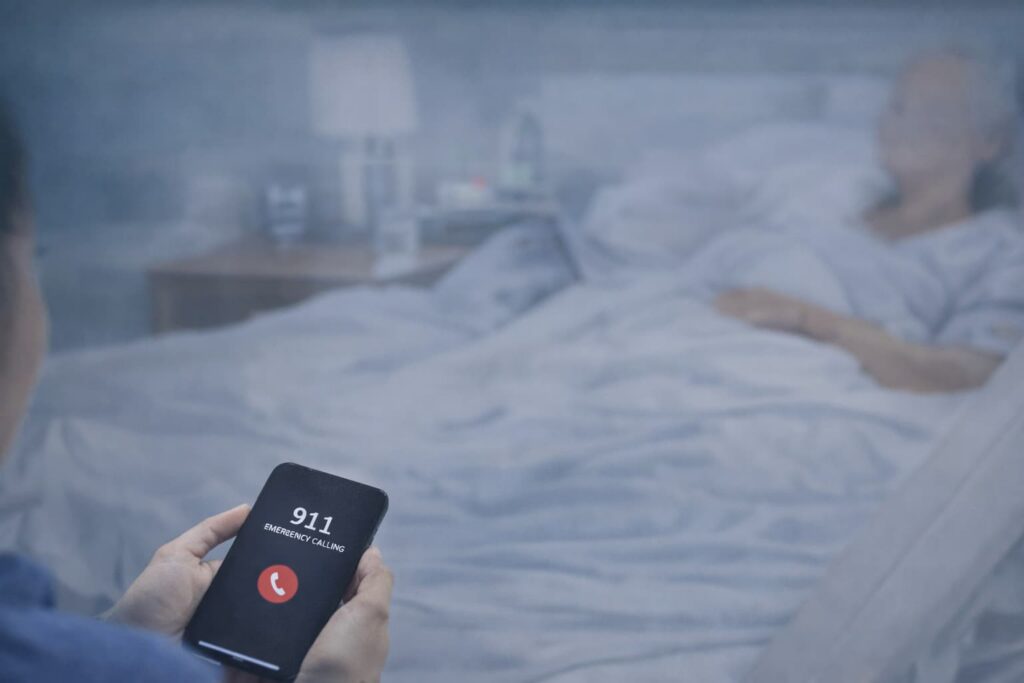
When you suspect a loved one is experiencing neglect that has caused bed sores, sepsis, or other serious harm, taking action protects both your family member and other residents.
Immediate steps for medical emergencies
If your loved one shows signs of sepsis or has a severely infected wound, call 911 or transport them to the nearest emergency room immediately. Document their condition with photographs, if possible, before they receive treatment.
Reporting to state authorities
The New York State Department of Health operates a 24-hour Nursing Home Complaint Hotline at (888) 201-4563. You may also file complaints online through the Department of Health website. The state investigates complaints and may conduct unannounced inspections.
Contacting the Long Term Care Ombudsman
The Office of the New York State Long Term Care Ombudsman advocates for nursing home residents' rights. Ombudsman staff investigate complaints, mediate disputes, and help families understand their options. Contact the local ombudsman program serving Nassau and Suffolk Counties.
Reporting to law enforcement
If you believe your loved one has suffered abuse or criminal neglect, contact local police. In Nassau County, call the Police Department at (516) 573-7347. In Suffolk County, contact the Police Department at (631) 852-6000. Adult Protective Services may also investigate cases involving vulnerable adults.
Documenting evidence
Throughout this process, maintain detailed records of everything you observe and every conversation you have with facility staff. Photograph wounds, note dates and times, save copies of medical records, and keep a written log of your loved one's condition during each visit. This documentation may prove invaluable when pursuing legal action.
Long Island Nursing Home Violations and Ratings
Families considering nursing home placement or concerned about a current resident's care may review facility ratings and violation history. Rosenberg & Gluck, LLP has compiled detailed reports on nursing homes throughout Nassau and Suffolk Counties, including CMS star ratings, health inspection results, staffing levels, and quality measures.
Nassau County Facilities
- Mayfair Care Center (Hempstead)
- Hempstead Park Nursing Home
- Nassau Rehabilitation & Nursing Center (Hempstead)
- Townhouse Center for Rehabilitation & Nursing (Uniondale)
Suffolk County Facilities
- Bellhaven Center for Rehabilitation and Nursing Care (Brookhaven)
- Brookhaven Health Care Facility LLC (Patchogue)
- Island Nursing and Rehab Center (Holtsville)
- Luxor Nursing and Rehabilitation at Sayville
- Medford Multicare Center for Living
- Momentum at South Bay for Rehabilitation and Nursing (East Islip)
- Suffolk Center for Rehabilitation and Nursing (Patchogue)
- Sunrise Manor Center for Nursing and Rehabilitation (Bay Shore)
- The Hamlet Rehabilitation and Healthcare Center at Nesconset
For a comprehensive overview of nursing home ratings and how to interpret CMS data, visit our guide to Long Island Nursing Home Ratings and Violations.
Legal Options for Families Affected by Nursing Home Neglect
When nursing home negligence causes advanced bed sores, sepsis, or other serious harm, families may have grounds to pursue compensation through a civil lawsuit. New York law holds facilities accountable when they fail to meet the standard of care required to protect residents.
Potential compensation in nursing home neglect cases may include medical expenses for treating preventable conditions, costs of transferring to a safer facility, pain and suffering experienced by the resident, and in cases of wrongful death, funeral expenses and loss of companionship for surviving family members.
New York imposes time limits on filing these claims. The statute of limitations for personal injury cases is generally three years from the date of injury, though wrongful death claims must typically be filed within two years. Further, medical malpractice claims carry a 2 ½ year statute of limitations.
An experienced nursing home abuse attorney may investigate the circumstances surrounding your loved one's injuries, obtain facility records and staffing logs, consult with medical experts, and build a case demonstrating how the facility's failures caused harm.
Frequently Asked Questions About Nursing Home Sepsis and Bed Sores
How quickly do bed sores develop in nursing homes?
Bed sores may begin forming within hours when a resident remains in one position without relief. Stage 1 pressure ulcers may appear after just two to three hours of sustained pressure, which is why repositioning schedules, typically every two hours, are critical in preventing these injuries.
What should I do if I notice bed sores on my loved one during a visit?
Document the wound immediately by taking photographs and noting its location, size, and appearance. Request to speak with the charge nurse and ask to review your loved one's care plan and repositioning records. Report your concerns to facility administration in writing. If the wound appears infected or your loved one shows signs of illness, seek medical evaluation promptly.
Can sepsis be treated successfully if caught early?
Yes, early detection dramatically improves sepsis outcomes. When identified and treated promptly with antibiotics and supportive care, many patients recover fully. The challenge lies in recognizing symptoms quickly, particularly in elderly patients whose presentations may be atypical.
How do I know if a nursing home is providing adequate care to prevent bed sores?
Request information about the facility's pressure ulcer prevention protocols, including repositioning schedules, pressure-relieving mattresses and cushion use, nutrition programs, and skin assessment procedures. Review the facility's inspection history through the New York State Department of Health.
How much does a nursing home abuse lawyer cost?
Rosenberg & Gluck, LLP takes nursing home abuse and neglect cases on a contingency basis, meaning you pay nothing upfront and owe no attorney fees unless we recover compensation on your behalf. Your initial consultation is free, and we advance the costs of investigation and litigation so families may pursue justice without financial burden.
Protect Your Loved One's Rights
Choosing a nursing home for a family member is one of the hardest decisions you may ever make. When the facility you trusted fails to provide proper care, feelings of guilt and betrayal are natural. You did nothing wrong by seeking professional help for your loved one. The responsibility for their safety belonged to the facility.
If your family member developed serious bed sores or sepsis while living in a Long Island nursing home, the attorneys at Rosenberg & Gluck, LLP are ready to help you seek justice. Call us or contact us online today for a free, confidential consultation. We assist families in English and Spanish.