Seeing your child hurt is one of a parent’s worst fears. If your child was bitten by a dog, your immediate priority is their health and safety. Once you have sought medical attention, you may begin to wonder about the next steps to hold the responsible party accountable.
The claims process begins by understanding the dog owner’s responsibility, the types of compensation available for your child's injuries, and the specific time limits for taking legal action.
Call us today at (631) 451-7900 for your free consultation.
Key Takeaways About What to Do if Your Child Was Bitten by a Dog
- A discussion of New York's specific laws regarding a dog owner's liability which requires either a showing that the owner knew of the dog's dangerous tendencies or negligence on the owner’s part.
- An explanation of how recent changes in New York insurance law prevent carriers from denying coverage based solely on a dog's breed.
- Details on the unique statute of limitations for minors, which extends the time limit for filing a claim until after the child turns 18.
- An overview of the types of damages that can be considered in a child's dog bite case, including future medical costs for scar revision.
- Information on the importance of documenting the injury and its effects on the child's life after receiving initial medical care.
First Steps After a Dog Bite Incident
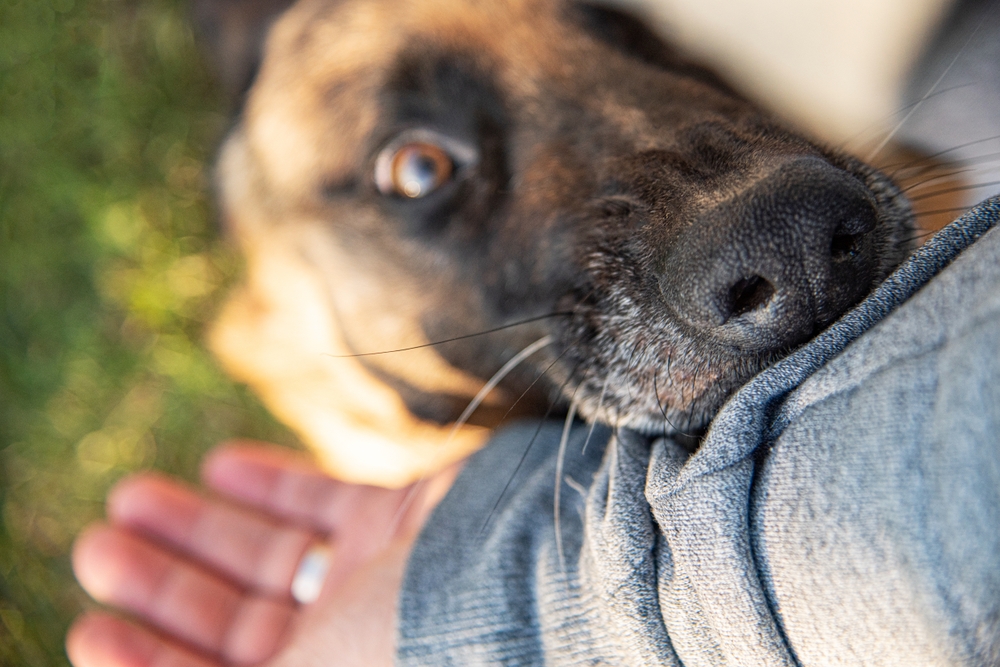
After you’ve returned from the doctor or emergency room, your focus will rightly be on your child’s comfort and recovery. This period is also a critical time for gathering information that may be important later. While you tend to your child, there are a few practical things to consider.
First and foremost, follow all medical advice meticulously. This includes cleaning the wound as directed, administering any prescribed antibiotics to prevent infection, and watching for any signs of complications. Dog bites can carry a high risk of infection, so diligence is key.
You will also want to document the injury’s progression. Taking clear photos of the bite wound shortly after the incident and in the following days and weeks can provide a visual record of the injury's severity and the healing process. This documentation can be very helpful in showing the full extent of the physical harm your child has suffered.
Finally, try to gather key details about the incident if you haven't already.
- The Dog Owner’s Information: Obtain the name, address, and phone number of the dog's owner.
- Witness Information: If anyone saw the incident, get their name and contact information as well. Their account could be valuable.
- Details About the Dog: Note the dog's breed, size, and any information you can find about its vaccination history, particularly for rabies.
Having this information organized can make the process of reporting the bite and exploring your legal options more straightforward.
Understanding Owner Liability: New York’s Negligence and “Vicious Propensity” Rules
In New York, when a child is bitten by a dog, holding the owner responsible isn't always automatic. The state follows rules that require the injured person to show that the owner was negligent or knew or should have known about their dog's "vicious propensities." In simple terms, this means you need to show the owner was aware the dog had a tendency to act aggressively or could be dangerous.
This "one-bite rule" can be misleading, as it doesn't necessarily mean the dog must have bitten someone before. Knowledge of vicious propensity can be established in several ways.
- Previous Aggressive Acts: The dog has a history of biting, snapping at, or aggressively jumping on people.
- Frequent, Vicious Growling: The dog often growled or bared its teeth at others, indicating a hostile nature.
- Straining at the Leash: The dog constantly pulled and lunged at people or other animals while being walked.
- Specific Training: The dog was trained to fight, guard, or attack.
- Owner's Warnings: The owner frequently warned others to "be careful" or that the dog "doesn't like strangers."
Proving the owner had this knowledge is required to successfully establish strict liability in a dog bite claim in New York. Evidence could come from neighbors' statements, previous complaints to animal control, or even the owner's own admissions.
Negligence, on the other hand, requires a showing that the owner had a duty that was breached, resulting in an incident in which someone was injured.
A New Leash on Liability: Insurance Coverage Cannot Be Denied Based on Breed

For years, many families on Long Island and across New York faced an unfair obstacle when seeking compensation for a dog bite. Insurance companies would often deny homeowners' insurance claims if the bite was from a breed they labeled as "aggressive," such as a Pit Bull, Rottweiler, or German Shepherd. This left many injured children and their families without a clear path to recovering costs for medical care.
Thankfully, New York has enacted a new law that changes this. Under New York Insurance Law § 3421, insurance companies are now prohibited from denying or canceling a homeowner's policy based solely on the breed of dog they own.
This is a significant development for families dealing with a dog bite. It means that the dog's breed alone can no longer be used as an excuse to deny coverage. The focus is now where it should be: on the individual dog's history and behavior and the owner's responsibility. This law helps level the playing field and ensures that a child bitten by a dog has a better chance of receiving the compensation they need for their recovery, regardless of the animal's breed.
Why a Child’s Dog Bite Injury Is Unique
An injury to a child is profoundly different from an injury to an adult, both emotionally and medically. Dog bites, in particular, can leave more than just physical marks. The impact can last for years and requires special consideration when assessing the full extent of the harm.
The Lasting Impact of Scarring
Children’s faces, arms, and hands are common sites for dog bites. A resulting scar can have a significant psychological effect on a child as they grow up, potentially affecting their self-esteem and social interactions. Furthermore, a scar on a child is not a static injury. As a child grows, a scar can stretch, tighten, or become more prominent, sometimes requiring future medical procedures.
Here are some of the long-term considerations for a child’s dog bite scar:
- Future Plastic Surgery: A pediatric plastic surgeon may recommend one or more revision surgeries as the child gets older to minimize the scar’s appearance. The costs for these future procedures should be factored into any legal claim.
- Psychological Support: The trauma of the attack and the visible reminder of it can cause anxiety, fear of dogs (cynophobia), and post-traumatic stress disorder (PTSD). Therapy or counseling may be necessary to help the child cope.
- Diminished Quality of Life: A visible scar may cause a child to feel self-conscious, leading to social withdrawal or difficulty participating in activities they once enjoyed.
These long-term needs highlight why it is so important to account for all future possibilities when a child is bitten by a dog.
The Clock Is Ticking: New York’s Statute of Limitations for Minors
Every personal injury case has a time limit for filing a lawsuit, known as the statute of limitations. It is crucial to be aware of these deadlines, as missing one can mean losing your right to seek compensation forever. In New York, the rules are different for children, offering them additional protection.
Here’s a breakdown of the key timelines:
- General Personal Injury: For most personal injury accidents in New York, an adult has three years from the date of the incident to file a lawsuit, as outlined in the New York Civil Practice Law & Rules § 214.
- Claims Involving Minors: When the injured person is a child (under 18), the law provides an important extension. The three-year clock is "tolled," or paused, until the child's 18th birthday. This means the child generally has until their 21st birthday to file a lawsuit for an injury that happened when they were younger.
- Claims Against a Municipality: There is a critical exception if the dog was owned by a government entity, such as a town on Long Island or a city department. In these cases, you must file a Notice of Claim within just 90 days of the incident, even for a minor.
While the law provides extra time for children, it is often beneficial to start the process much sooner. Waiting years can make it difficult to gather evidence, locate witnesses, and build a strong case.
If Your Child Was Bitten by a Dog FAQs
Here are answers to some common questions parents have after their child has been injured by a dog.
What if the dog that bit my child belongs to a friend or family member?
This is a very common and sensitive situation. Many people hesitate to take action against someone they know. However, a claim is typically made against the person’s homeowner’s or renter’s insurance policy, not against them personally. The goal is to ensure your child’s medical bills and other needs are covered by the available insurance, not to cause financial hardship for a loved one.
Can we recover costs for our child’s therapy or counseling?
Yes, the cost of psychological care needed as a result of the trauma is considered a form of damages. If your child develops a fear of dogs, anxiety, or other emotional distress from the attack, the expenses for therapy to help them recover can be included in a claim.
What kind of evidence is most helpful in a New York dog bite case?
Evidence that helps establish the owner’s knowledge of the dog’s "vicious propensities" is key. This can include photos of "Beware of Dog" signs, statements from neighbors about prior aggressive incidents, veterinary records indicating a history of aggression, and any past reports filed with local animal control authorities in your Long Island community. Similarly, to prove negligence, evidence that a local leash law was violated or that the homeowner failed to properly secure the dog are helpful.
Does homeowner’s insurance in New York cover dog bites?
Most standard homeowner’s and renter’s insurance policies do provide liability coverage for dog bites. As mentioned earlier, thanks to recent changes in New York law, an insurer cannot refuse to pay a claim based on the dog's breed alone.
What happens if the dog’s owner is a renter or doesn't have insurance?
If the owner is a renter, they may have a renter’s insurance policy that provides coverage. If there is no insurance available, it may still be possible to hold the property owner (landlord) responsible if they were aware of the dangerous dog living on their property and did nothing about it. If no insurance is available at all, recovering compensation can be more difficult but may not be impossible.
What if my child was playing with the dog or accidentally provoked it?
This is a common concern for parents. Children, especially young ones, may not know how to interact safely with all animals. New York follows a rule of pure comparative negligence, which means responsibility for an incident can be shared. Even if it’s determined that a child’s actions partially contributed to the bite, it does not necessarily prevent the family from recovering compensation for the child’s injuries. The court would simply consider all factors when determining the outcome.
Who is responsible for paying my child’s initial medical bills?
Initially, you will likely need to use your own health insurance to cover the immediate costs of your child's medical treatment at a hospital like Stony Brook University Hospital or a local urgent care center. A personal injury claim seeks to recover those out-of-pocket expenses, as well as the full cost of medical care, from the responsible dog owner’s insurance policy. The goal is to ensure your family is reimbursed for all costs related to the injury.
A Long Island Law Firm That Can Help
When your child has been hurt, you want a legal team that understands what your family is going through and is prepared to stand up for your child's rights. At Rosenberg & Gluck, L.L.P., our practice is focused on personal injury law, allowing us to dedicate our full attention and resources to helping people in situations just like yours. We have a long track record of success in the same Long Island courthouses where your case would be handled.
We understand the complexities of New York’s dog bite laws and how a dog bite lawyer can build a case that accounts for your child’s immediate and future needs, from medical bills to the costs of future scar revision surgery. Our team is ready to help you in either English or Spanish. Contact us today for a free, no-obligation consultation to discuss your case and learn how we can assist your family.
Call us today at (631) 451-7900 for your free consultation.